The platform is rarely the whole story.
Six disciplines, one operational system.
Operational stability is a commercial advantage.
Governance reduces long-term cost.
AI is useful when it is connected to clean data, clear workflows and human approval.



Six operational worlds, one delivery discipline.
Each sector trades differently - depots, branches, regulated catalogues, dealer networks. We adapt the build to how the business actually runs.
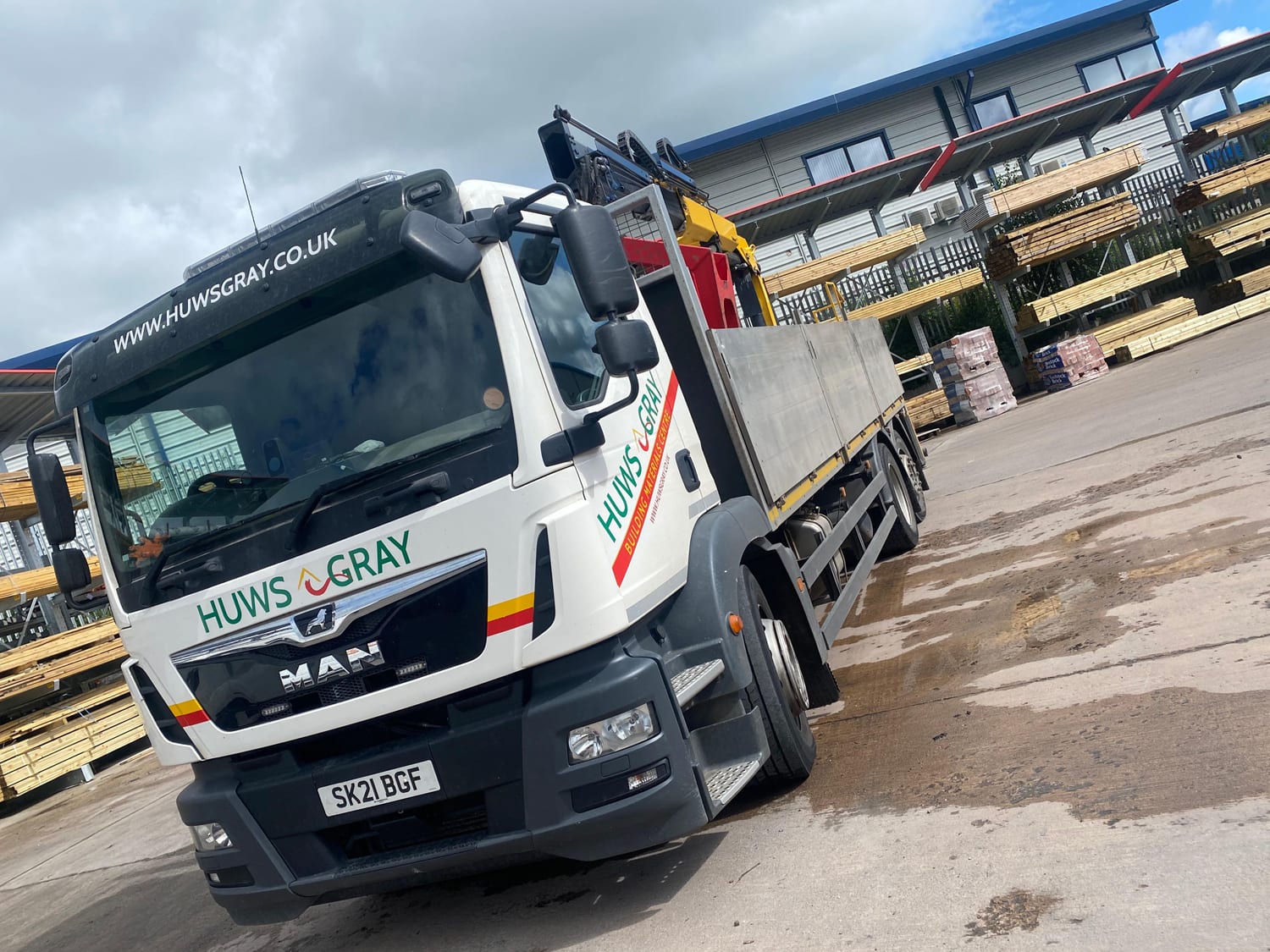
- BT · 01Builders & trade
Branch stock, customer-specific pricing and early-morning ordering. Reliability matters more than novelty.
Explore builders & trade → - FB · 02Food & beverage
Route timing, depot cut-offs and delivery windows. Platforms fail on cut-offs long before they fail on design.
Explore food & beverage → - MI · 03Manufacturing & industrial
Procurement workflows and ERP dependency. The platform sits inside someone else’s process, not the other way round.
Explore manufacturing → - AU · 04Automotive & parts
Fitment logic, supersessions and catalogue structure. The wrong part is worse than no part.
Explore automotive → - RH · 05Retail & home
Considered purchases, long lead times and showroom-to-online continuity. Confidence drives conversion, not urgency.
Explore retail & home → - HW · 06Health & wellness
Compliance, claims governance and clinical accuracy. What the page can say is decided before merchandising starts.
Explore health & wellness →
Common questions about iWeb services.
What does iWeb actually do?
iWeb is a UK ecommerce agency that replatforms, builds, supports and rescues complex ecommerce, with PIM and product data and AI for Commerce running alongside. The work is operational: pricing, stock, accounts, orders, search, fulfilment and the ERP and PIM integrations behind them, not isolated front-end projects.
When does a replatform make sense?
When the existing platform is the bottleneck on trading, integration cost is climbing year on year, or the operating model has moved past what the storefront can model. iWeb names the trade-off in writing first. Where the existing platform is the right answer, we say so on the record rather than recommend a move.
When does a new build make sense?
When there is no incumbent worth keeping, when a new territory or brand needs its own storefront, or when the trading model has changed enough that lifting the old build forward would cost more than starting cleanly. The decision is sized against five-year cost, not year-one budget.
What is a rescue project?
A rescue is taking over an in-flight or recently launched build that is not trading well: failing releases, missed launch dates, integration drift, support gaps or unhappy stakeholders. iWeb audits and stabilises first, then plans the remediation. The first month is deliberately conservative on change.
How does support after launch work?
A named senior team owns the estate day to day: releases, incidents, integration monitoring, PIM and ERP boundary changes and platform upgrades. The runbook is written down and the on-call rota covers UK business hours by default, with extended cover where the operation needs it.
Where do PIM and Data sit in the service mix?
PIM and product data is a service in its own right because catalogue truth is the slowest thing to fix later. iWeb implements Akeneo, Salsify or Informatica, governs the attribute and taxonomy model, and writes the boundary contracts with commerce and ERP. The work stands alone or runs inside a build.
What is AI for Commerce in this context?
Practical AI inside commerce: query understanding, attribute enrichment, content generation, agent workflows for support and merchandising. Each use is scoped to where it earns its place, with decision logs and override controls. It is not a parallel stack; it sits inside the existing platform, PIM and search systems.
How do I choose between Replatform, Build, Rescue and Support?
Replatform if the platform is the constraint. Build if there is no incumbent or the model has changed. Rescue if a project is in trouble. Support if the estate is stable and needs ownership. iWeb can give a senior written read on which fits before you commit to a shape.
Does iWeb work before a platform choice is made?
Yes. The most useful work often happens before the platform is fixed: a short, paid platform decision read covering operating model fit, ERP and PIM boundary, integration risk and total cost over five years. The output is written, not a pitch deck.
How is discovery handled?
A short discovery focused on the trading model, integration boundary and the next 12 months of trading priorities, not a six-week paper exercise. Outputs are decisions and a sequenced plan, not a slide library. Discovery is paid and the budget is fixed up front.
Who owns the project on iWebs side?
A named senior owner runs the engagement end to end with a delivery lead, engineering lead and a PIM or ERP specialist where the brief needs one. Ownership does not change between sales and delivery, and the senior owner stays through launch and into support.
How does iWeb handle technical debt?
Named, sized and prioritised against trading impact rather than tidied silently. Debt that affects pricing accuracy, ERP sync, order state or release cadence is paid down first. Cosmetic debt is logged and timed to where it can land without disturbing trading.
How is integration risk managed?
The boundary with ERP, PIM and operational systems is the most important architecture decision in the estate. iWeb writes the integration contract down, versions it, monitors queues and reconciliations, and keeps real-time vs scheduled sync rules explicit rather than implied by a connector setting.
How is launch risk managed?
Launches are sequenced where the operation allows: by domain, brand or territory. Trading stays live throughout. Launch is rehearsed against production-like data and a written rollback path exists for every step. Big-bang relaunches are rarely the right shape.
Does iWeb work with our existing development team?
Yes. The shape can be a full team, a senior augmentation alongside an in-house team, or a hybrid where iWeb owns specific surfaces (PIM, ERP integration, support) while the in-house team owns others. Ownership is named clearly so handoffs do not drift.
Can iWeb take over a failed project from another agency?
Yes. We audit what is in production, what was promised, what is shipped and what is at risk, and write a remediation plan with sizing. The first month is conservative on change while the team learns the build. Discovery is paid and the report is yours either way.
How is cost and scope handled?
Fixed-price discovery, then time-and-materials delivery against a sequenced backlog. Scope is sized against operating model fit and trading priorities, not against a feature list. Change is named and re-sized in writing rather than absorbed silently.
How does iWeb choose which case studies to show?
Only governed projects with a named senior owner, a documented brief, evidence and the right to publish are surfaced as proof. Adjacent projects are labelled adjacent. There are no anonymous logos or unverifiable outcomes on the page.
What happens after launch?
The same senior owner stays through into support, with the engineering team that built the surface. Releases continue on a planned cadence, integration health is monitored and there is a written runbook the on-call team can act on. The post-launch period is deliberately conservative.
What makes a good fit for iWeb?
Complex operations: B2B trade, branch and depot stock, ERP-integrated pricing, multi-territory, deep catalogues or regulated product data. Where the operation is light retail with no ERP and no catalogue complexity, simpler agencies usually fit better and iWeb will say so.
How do I start a conversation?
Send the brief through the contact form. You will get a senior written response on the platform, integration and operational realities we would look at first, sized to the brief rather than a templated pitch. There is no obligation to move past that first read.