
What a LangChain integration gives you.
Teams can enrich thousands of product records with AI-extracted attributes, descriptions and category suggestions in hours, with human review before publication. No manual copy-writing bottleneck and no risk of unvetted changes.
Customer support tickets can be classified, routed and pre-drafted with AI assistance, with supervisors reviewing and approving suggestions before they reach customers. Avoids scripted, off-brand or incorrect responses.
LangChain can rewrite shopper queries, suggest synonyms and detect missing content that causes zero-results experiences. The insights flow into search governance and merchandising rules, improving discovery without constant manual tuning.
Internal workflows can use LangChain to classify inventory exceptions, detect pricing anomalies and generate rich summaries for decision-makers. Operations teams spend less time reading raw data and more time acting on flagged risks.
All AI-assisted enrichment is logged, reviewed and approved before it touches production systems. Audit trails satisfy compliance requirements and allow teams to confidently explain every change to auditors or customers.
Where a LangChain integration earns its place.
If two or more of these are true, the integration usually pays for itself quickly.
Where off-the-shelf connectors fall short.
Vendor connectors are fine for simple cases. Here's where the real ones need more.
LangChain has no native understanding of product data ownership, approval workflows, or what constitutes a safe change in a commerce estate. Agents can generate plausible-sounding but incorrect attributes without any safeguard tied to PIM or ERP validation rules.
Language models can generate false or misleading content with high confidence. There is no mechanism by default to flag low-confidence outputs, contradictions with master data, or to quarantine suspicious changes from flowing directly to the storefront.
LangChain does not manage approval workflows or maintain compliance-grade audit logs of who reviewed, approved or rejected AI-generated changes. Commerce operations need human sign-off before enriched data touches the live catalogue.
LangChain workflows must be manually stitched into the broader integration layer. There is no built-in dead-letter handling, retry logic, or integration monitoring to flag stalled enrichment jobs or failed writes to downstream systems.
If a batch of AI-generated attributes causes a cataloguing or sales issue, there is no native mechanism to quickly identify and roll back the affected data or to version the changes for audit.
AI agents can generate plausible-sounding answers with high confidence even when they are wrong; the integration work is not about trusting the agent, but about building approval gates, data validation and rollback so you can confidently enrich at scale.
Where this integration sits in your estate.
LangChain holds the commercial record. The iWeb integration layer manages the rules, mappings, monitoring and exceptions. The commerce platform presents the customer-facing experience. The estate map helps agree ownership before anything is built.
One integration architecture, any storefront. LangChain connects through the same governed layer whatever commerce core you run.
- AI-generated enrichment candidates and suggestions
- Ticket classification and first-response drafting
- Anomaly flagging and operational alerts
- Synonym and query-rewrite recommendations
- Product catalogue and live attributes
- Customer-facing support responses
- Published search rules and merchandising
- Approval workflows and final publication
Systems this integration usually sits next to.
Examples, not a closed list. iWeb is platform-agnostic on both sides: we wire this integration into whatever ecommerce platform and surrounding systems your estate already runs.
- Adobe Commerce
- Magento Open Source
- Shopify Plus
- BigCommerce
- Other storefronts
- ERP (stock, orders, pricing)
- PIM (product master data)
- CMS (pages, content, assets)
- Search system (index, relevance rules)
- Support platform (Zendesk, Freshdesk)
- OMS or order management (exceptions, alerts)
- Data warehouse (analytics, audit logs)
Not sure if this works with your stack?
Tell us what you’re using and what needs to connect. We’ll give you a straight view on what’s possible, what might be awkward, and the safest way to approach it.
The data flows we wire.
Each flow has a direction and an owner. We agree both before a line of code is written.
How iWeb configures the integration around your business.
Same method on every integration. The decisions come before the code.
- 01Approval and staging workflows
We define how AI output flows into a staging queue, how approvers review and correct suggestions, and how approved changes are published to PIM, CMS or support systems. Human judgment stays in control.
- 02Data governance and validation mapping
We map which data LangChain agents can read from your ERP, PIM, OMS and support systems, and which validation rules and approval chains apply to any changes. No unsafe reads or writes.
- 03Integration layer and exception handling
We build connectors so LangChain agents can reliably call your systems, handle failures and retries, and route exceptions to named owners. Failed enrichment jobs don't silently vanish.
- 04Hallucination detection and confidence scoring
We build guardrails to flag low-confidence AI outputs, detect contradictions with master data, and quarantine suspicious suggestions for manual review before they reach production.
- 05Audit logging and rollback
We maintain compliance-grade logs of every AI-assisted change, who approved it, when it was published and how to reverse it. Audit and rollback are built in from the start.
- 06Ongoing monitoring and tuning
We track the quality of AI outputs over time, watch for drift in enrichment patterns, and help teams refine prompts, context and validation rules as business needs evolve.
Who owns what.
The single most important table in any integration. One system owns each field; everything else reads it.
Built AI enrichment before
We have designed and run LangChain integrations into commerce estates where approvals, data governance and compliance audits matter. We understand the tension between AI velocity and the need for human control, and we build approval gates, exception handling and audit trails from the start.
What we test before launch.
Every one of these is rehearsed before a customer ever sees the integration.
Common risks and where they bite.
We name these on day one. A risk written down is a risk you can plan around.
If LangChain agents lack confidence scoring and approval gates, plausible-sounding but incorrect attributes can flow directly from the agent to the PIM and be published to the storefront. Customers see wrong material composition, specifications or sizing.
Without explicit approval workflows, AI enrichment can overwrite carefully maintained product data or ignore category taxonomy rules. Marketing and product teams lose control over brand consistency and compliance.
If LangChain is loosely coupled to the rest of the estate with no exception handling, failed writes to PIM or CMS can queue up unnoticed. By launch, thousands of enrichments are stuck in a dead letter with no audit trail.
If agents consume outdated ERP stock data or conflicting product definitions from multiple sources, enrichment recommendations become unreliable. Teams lose trust in AI output and stop using it.
If LangChain-drafted support responses are published without human review or sent to customers without clear labelling as AI-assisted, misunderstandings and brand damage can follow quickly.
If there is no named owner for the approval workflow or the dead-letter queue, flagged enrichments languish indefinitely. Enrichment campaigns stall and teams stop trusting the system.
Relevant services and sectors.
Common questions about LangChain integrations.
How do we ensure AI-generated product enrichment doesn't bypass our approval workflows?
We design the integration so LangChain outputs flow into a human-review staging queue before touching the PIM. Approvers inspect, correct and sign off on enrichments. Only approved changes publish to the live catalogue. This preserves your brand governance and compliance audits.
What data does LangChain need to read from our ERP, PIM and support systems?
That depends on your use case. For product enrichment, LangChain typically reads raw product descriptions, specifications and category data from the PIM, plus competitor or market data as context. For support automation, it reads ticket history and resolutions. For operational alerts, it reads inventory, order and pricing data from the ERP. We define the scope and validation rules before building.
How do we catch and quarantine hallucinated or incorrect AI output?
We build confidence scoring into the workflow so low-confidence suggestions are flagged for extra human scrutiny. We also cross-check AI output against your master data, existing attributes and validation rules. Anything that contradicts known data is quarantined pending review.
What happens if the LangChain agent fails or generates unsafe suggestions at scale?
We build exception handling and dead-letter queues so failed jobs and suspicious batches are routed to operations teams, not silently dropped. We monitor enrichment quality over time and alert if accuracy drops. Rollback and versioning are built in so you can reverse a bad batch quickly.
How does LangChain fit with our search and merchandising systems?
LangChain can analyze search queries and zero-results events to suggest synonyms, rewrites and missing content. Those suggestions flow into your search governance team, who decide what rules to apply. It can also read your category taxonomy and merchandise plan to ensure enriched attributes stay brand-aligned.
Can we use LangChain for customer support automation without risking brand damage?
Yes, with guardrails. We design support workflows so LangChain classifies tickets and drafts first responses, but supervisors review and approve every message before it reaches the customer. You can also label AI-assisted responses transparently, and escalate complex cases to humans automatically.
What happens if LangChain reads stale or inconsistent data from multiple systems?
We map the data sources carefully and implement validation so the agent detects conflicts. If the PIM and ERP disagree on product status or pricing, the agent flags it for human review rather than guessing. Context freshness matters, so we also cache frequently-read data and alert if sources drift.
How do we know which enrichments to use and which to ignore?
We build confidence scoring and impact assessment into the approval interface. Approvers see the AI's reasoning, the confidence level, any conflicts with existing data, and can see a preview of the change in context (e.g. how it looks on the storefront). This helps them decide fast.
Who owns the LangChain prompts and model updates, and how do we test changes?
Typically, your data science or product team owns prompt refinement, working with merchandising or operations teams to tune quality. We maintain versioning and testing workflows so prompt changes are validated on historical data before they affect production enrichments.
What audit trails do we need for compliance or dispute resolution?
We log every enrichment candidate generated, every approval and rejection, every published change, and every rollback. The log includes who reviewed it, when, and why they approved or rejected it. This supports compliance audits and lets you explain any change to customers or regulators.
How does LangChain help with internal operations like inventory alerts and pricing anomalies?
LangChain can consume inventory movements, order patterns and price changes from your ERP or OMS, classify anomalies (slow movers, unusual spikes, pricing errors) and generate clear summaries for ops teams. Instead of reading raw data, they see AI-prioritized alerts with context for faster action.
What happens if we need to pause or roll back a LangChain enrichment campaign?
Because all changes are versioned and approved, you can identify which records were touched by a campaign and roll back the affected data to a known good state. We also maintain a clear audit trail so you can explain the rollback to stakeholders.
How do we avoid LangChain becoming a hidden system of record that nobody understands?
Transparency and ownership are critical. We document the agent's purpose, its data sources, its approval workflow and its limits. We also track performance metrics (enrichment quality, approval rates, rollback frequency) so you can see if the system is delivering value and spot drift early.
Projects with a similar shape.
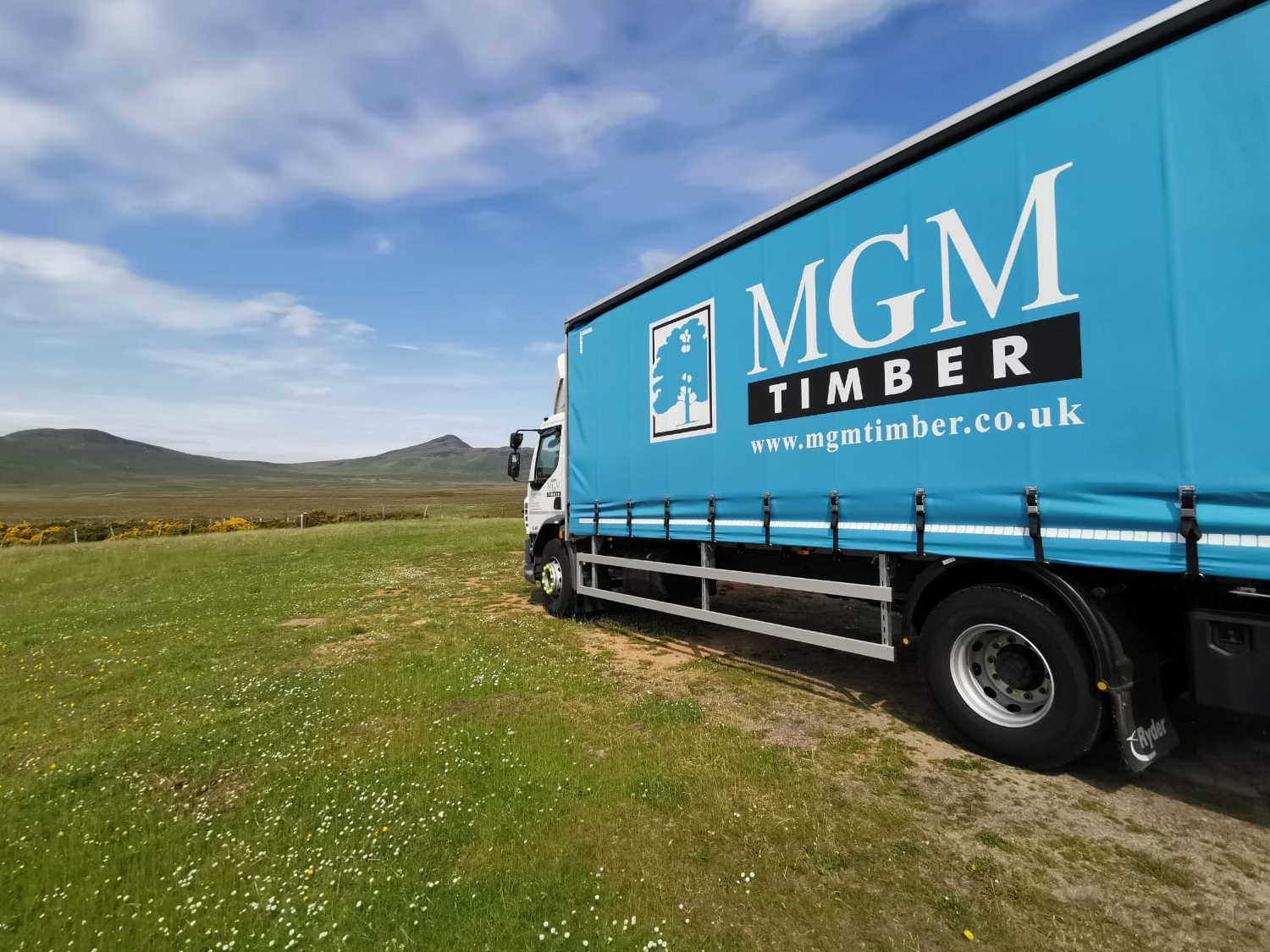
A timber merchant platform rebuilt around branch stock, trade accounts and product data.
Timber merchant trading supported by updated journeys, mobile engagement and faster catalogue workflows.

A fresh food labelling connector built around store data, governance and product accuracy.
Fresh food labelling supported by cleaner product data and stronger in-store data governance.

An allergen data connector built around PIM automation, shared catalogues and product accuracy.
Allergen product data made easier to manage, share and scale across food industry catalogues.