
What a NetSuite integration gives you.
Web orders capture without manual intervention, duplicate prevention is enforced, and failed orders are visible and actionable within minutes. Finance teams can trust that commerce revenue is recorded in the ERP.
Inventory is allocated fairly across storefronts, marketplaces and B2B channels. Stock movements from NetSuite or the warehouse are visible to all sales channels within a predictable window.
Customers see accurate list and negotiated prices without checkout delays. Price changes in NetSuite are published on schedule, and outages do not break checkout.
Invoices, refunds and credits reconcile automatically to NetSuite. Exceptions are surfaced early so finance teams can investigate and close books on time.
Customers cannot check out beyond their credit limit. Account holds, payment terms and credit memos update in real time so the customer view is always current.
Where a NetSuite integration earns its place.
If two or more of these are true, the integration usually pays for itself quickly.
Where off-the-shelf connectors fall short.
Vendor connectors are fine for simple cases. Here's where the real ones need more.
NetSuite does not automatically map web order fields (SKU, qty, discount, shipping address) to ERP sales order structure. Custom mapping, field validation and error handling must be built to prevent incomplete or malformed orders entering the ERP ledger.
NetSuite tracks stock at the bin level, but web checkouts need real-time available-to-promise calculations that account for pending orders, safety stock and channel allocation. A middleware layer is needed to translate ERP granularity into storefront rules.
NetSuite can store tiered pricing, but fetching the right price for each logged-in customer on every page load creates latency and load. Most implementations cache prices locally in commerce and batch-refresh them periodically.
NetSuite records invoices, payments and credits, but web order adjustments, refunds issued outside ERP, and payment method changes in commerce create reconciliation drift. A governed exception queue is needed to catch and investigate mismatches.
NetSuite does not ingest orders from marketplaces (Amazon, eBay, Shopify Plus, BigCommerce) directly. Orders from non-native channels must be mapped and transformed by integration middleware before NetSuite can process them.
Most order loss happens between capture and transformation, not between systems; validation and exception handling are invisible until they fail.
Where this integration sits in your estate.
NetSuite holds the commercial record. The iWeb integration layer manages the rules, mappings, monitoring and exceptions. The commerce platform presents the customer-facing experience. The estate map helps agree ownership before anything is built.
One integration architecture, any storefront. NetSuite connects through the same governed layer whatever commerce core you run.
- Stock availability and warehouse reserves
- Base and tiered pricing
- Customer account status and credit limits
- Sales order creation and acknowledgement
- Invoice, credit note and finance posting
- Shopper checkout experience and cart
- Payment capture and fraud screening
- Order confirmation and customer notification
- Price and stock caching for performance
- Channel-specific catalogue and merchandising
Systems this integration usually sits next to.
Examples, not a closed list. iWeb is platform-agnostic on both sides: we wire this integration into whatever ecommerce platform and surrounding systems your estate already runs.
- Adobe Commerce
- Magento Open Source
- Shopify Plus
- BigCommerce
- Other storefronts
- PIM and product content
- OMS or warehouse system
- Marketplace connectors (Amazon, eBay, Shopify)
- Payment processor or gateway
- Tax engine or compliance system
- Shipping and carrier management
- Business intelligence or reporting warehouse
Not sure if this works with your stack?
Tell us what you’re using and what needs to connect. We’ll give you a straight view on what’s possible, what might be awkward, and the safest way to approach it.
The data flows we wire.
Each flow has a direction and an owner. We agree both before a line of code is written.
How iWeb configures the integration around your business.
Same method on every integration. The decisions come before the code.
- 01Architecture and integration design
We map your commerce platform(s), NetSuite instance and any other systems (OMS, warehouse, marketplace connectors) into a coherent data flow. We design buffers, caches and exception handling so the estate remains operational if any one system is unavailable for hours.
- 02Custom order-capture transformation
We build middleware that takes web orders in your commerce platform structure and reliably transforms them into NetSuite sales orders, line items and customer records. We handle partial orders, amendments, cancellations and failed captures.
- 03Stock and pricing integration
We implement scheduled or API-driven stock and price feeds from NetSuite to your storefronts. We design allocation rules so stock is fairly split across channels, and we build fallback caches so checkouts do not halt if the ERP is slow.
- 04Invoice and credit reconciliation
We build return flows so invoices, credit notes, and despatch confirmations flow from NetSuite back to commerce platforms and customer accounts. We implement monitoring and exception queues so finance teams can identify reconciliation gaps before month-end.
- 05Testing, observability and support
We test order capture, stock allocation and pricing accuracy end-to-end before launch. We build dashboards and alerting so operations teams can see order flow, stuck queues and sync latency. We provide runbooks and escalation contacts for outages.
Who owns what.
The single most important table in any integration. One system owns each field; everything else reads it.
Built this before
iWeb has delivered NetSuite integrations for a range of commerce estates, from single-channel retailers to multi-marketplace operations. We understand how NetSuite sits alongside commerce platforms, OMS and warehouse systems, and we know the critical hand-offs that must be governed.
What we test before launch.
Every one of these is rehearsed before a customer ever sees the integration.
Common risks and where they bite.
We name these on day one. A risk written down is a risk you can plan around.
Orders are captured in commerce but fail to transform or transmit to NetSuite, leaving them stuck in an integration queue. Customers see confirmation pages but the order never reaches fulfilment. Root causes include data validation failures, NetSuite API downtime or timeouts, and missing error alerting.
Stock in commerce lags behind NetSuite because the feed is broken, delayed or refresh cadence is too long. Customers check out with unavailable inventory, leading to backorders, cancellations and chargebacks. Invisible until complaints arrive.
List prices or customer-specific tiers change in NetSuite but the cached price in commerce does not update in time. Orders are placed at incorrect prices, creating margin loss and finance disputes. Reconciliation discovers the gap weeks later.
Invoices generated in NetSuite do not flow back to commerce, or refunds issued in commerce are not matched to credit memos in the ERP. Finance teams cannot close the month without manual investigation and adjustment.
Customer account holds or credit ceilings set in NetSuite do not propagate to checkout, allowing orders to exceed limits. Invoicing and collections become difficult as uncollectable orders enter the ledger.
Orders from marketplaces or alternative storefronts fail to map to NetSuite customers or products, but the failure is not logged or alerted. Orders disappear from view and fulfilment stalls silently.
Relevant services and sectors.
Common questions about NetSuite integrations.
How do we know if an order has successfully reached NetSuite?
Orders transmitted to NetSuite receive an acknowledgement with a sales order number within seconds. Acknowledgements are stored in commerce and visible in order timelines. Failed transmissions are logged in an exception queue that operations teams monitor.
What happens if NetSuite is down when a customer checks out?
Commerce platforms hold orders in a local queue until NetSuite is reachable. Checkout does not block; payment is captured normally. Once NetSuite is available, orders are replayed in sequence with deduplication to prevent double orders.
How is stock allocated fairly across multiple sales channels?
NetSuite holds total stock; allocation rules in the integration layer reserve portions for each channel based on demand forecasts or priority. Stock available to each channel is published independently so no single channel can oversell others.
How often does pricing update from NetSuite to storefronts?
Pricing is refreshed on a fixed schedule (typically daily or twice daily) or triggered by price book changes in NetSuite. Commerce platforms cache prices to ensure checkout does not depend on real-time lookup. Urgent price corrections can be pushed manually.
How do customer-specific discounts and credit terms get to the checkout?
Customer accounts are synced from NetSuite to commerce. When a shopper logs in, their tier, negotiated discounts and payment terms are retrieved and applied at checkout. Updates to customer records in NetSuite flow within the next sync cycle.
What if a refund is issued in commerce but NetSuite has not yet invoiced the order?
The refund is logged as a pending credit in the integration queue. Once NetSuite generates the invoice, the refund is matched and a credit memo is created. If the match fails, the integration team is alerted to investigate.
How do invoices and dispatch confirmations get back to the customer?
NetSuite sends invoices and warehouse systems send dispatch events to the integration layer. These are forwarded to commerce platforms, which update order timelines and trigger customer notifications (invoice PDF, tracking email).
Can we ingest orders from marketplaces into NetSuite?
Yes. Marketplace orders are transformed by integration middleware into NetSuite sales orders using the same rules as web orders. Each marketplace connector handles its own data format; the NetSuite inbound flow is standardised.
Who owns the mapping between web order fields and NetSuite sales order fields?
The integration team owns the transformation logic. Finance and ecommerce teams jointly own the business rules (which discounts are allowed, how shipping is coded, which customers get special terms). The integration is documented and tested with both teams.
How does finance reconcile web orders against invoices and payments?
Order and payment data is extracted from commerce and NetSuite into a reconciliation report. Matches are automatic; exceptions (missing invoices, duplicate payments, price mismatches) are flagged for investigation. Reconciliation completes before month-end close.
What happens if a product is discontinued in NetSuite?
The product status is synced to commerce platforms, which remove it from storefronts or mark it as unavailable. Existing orders continue to process normally. If someone tries to add a discontinued item via API, the order capture layer rejects it.
How do we handle taxes and VAT in web orders?
Tax is calculated in commerce at checkout based on shopper location. The order sent to NetSuite includes the tax amount and tax code. NetSuite validates the tax treatment and may apply adjustments if special rules apply (e.g. B2B exemptions). Mismatches are flagged.
Can customer addresses change between checkout and fulfilment?
Addresses captured at checkout are transmitted to NetSuite with the order. If a customer requests a change before the order ships, the change is made in NetSuite and communicated to the warehouse. After shipment, address changes require RMA handling.
How long before an order can be modified or cancelled?
Orders are locked in NetSuite once they move to pick/pack status (typically within minutes). Modifications before that point are allowed in commerce and propagated to NetSuite. After lock, cancellation requires a credit memo and RMA.
Other erp · finance integrations.
Adjacent integrations in the same category. Same shape of work, different vendor.
Projects with a similar shape.

A buying group PIM project designed around catalogue scope, product data and governance.
catalogue scope supported by cleaner product governance and faster enrichment workflows.
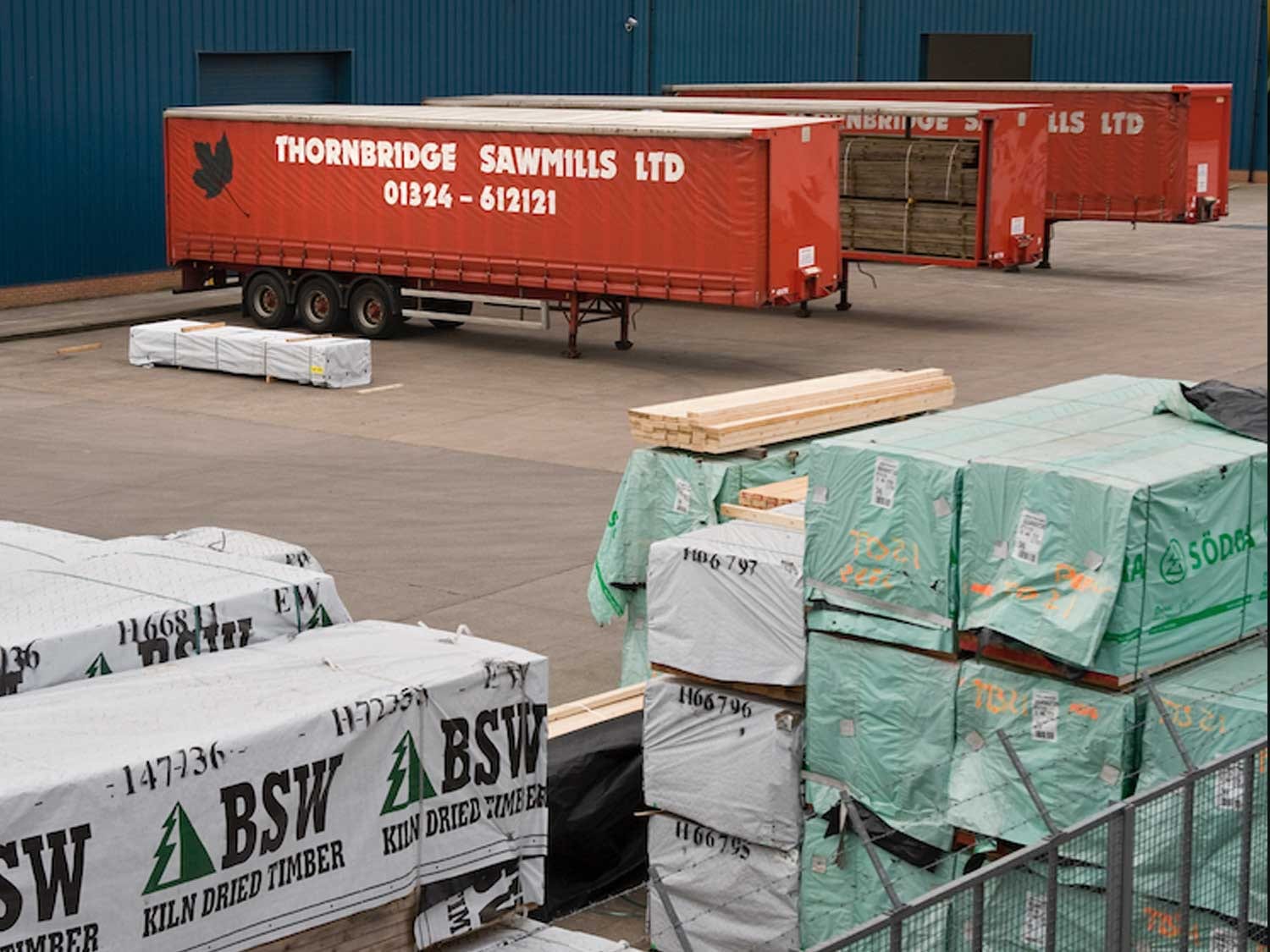
A timber merchant PWA built around branch trading, product data and trade customer journeys.
Timber purchasing supported by stronger mobile sessions, add-to-cart activity and cleaner product data.

A purchase rewards PIM project built around product data, catalogue enrichment and partner scale.
Rewards catalogue management supported by faster enrichment and more efficient product workflows.