
What a Ometria integration gives you.
With real-time order and behaviour data flowing into Ometria, you can activate segments within minutes of a purchase or cart event, not hours. Suppression changes propagate back immediately so campaigns respect consent.
Customer profiles in Ometria stay in sync with ecommerce and ERP, so segment rules, personalisation and analytics operate on a single customer view, not fragmented lists.
Unsubscribe and consent changes are captured, validated and enforced across marketing, email and commerce systems so you can demonstrate compliant suppression in audit and avoid sending to opted-out contacts.
You gain visibility into which customer events trigger which campaigns, which segments are active, and where suppressions are enforced, so troubleshooting campaign misses is faster and less guesswork.
With governance and idempotency built in, you can re-sync customer data, refresh segments or rebuild the integration after a commerce platform change without corrupting Ometria's live campaigns.
Where a Ometria integration earns its place.
If two or more of these are true, the integration usually pays for itself quickly.
Where off-the-shelf connectors fall short.
Vendor connectors are fine for simple cases. Here's where the real ones need more.
Ometria processes consent changes and unsubscribe requests in batch cycles; real-time suppression of in-flight campaigns is not always guaranteed, risking marketing contact after opt-out at the storefront.
Standard Ometria connectors may not capture all behaviour event types (e.g. product views, wishlist, returns) or may batch events with a delay, affecting real-time segment eligibility and abandonment trigger accuracy.
Matching customers across anonymous browse events, registered accounts and different channels can create duplicate or incomplete profiles if identity logic is not clearly governed between Ometria and commerce.
Without explicit governance, it becomes unclear whether segments are calculated in Ometria or the commerce platform, and whether suppression lists are enforced in Ometria, email service provider or storefront, leading to unexpected campaigns or silent failures.
Ometria requires periodic full customer extract from ERP / OMS to refresh RFM scores and historical order data; without a defined refresh schedule and idempotency rules, segment rules may operate on stale data.
Customer profile completeness and segment accuracy depend on event latency and consent propagation being reliable; the system is only as good as the slowest data pipeline feeding it.
Where this integration sits in your estate.
Ometria holds the commercial record. The iWeb integration layer manages the rules, mappings, monitoring and exceptions. The commerce platform presents the customer-facing experience. The estate map helps agree ownership before anything is built.
One integration architecture, any storefront. Ometria connects through the same governed layer whatever commerce core you run.
- Segment definitions and audience rules
- Customer RFM scores and lifetime value
- Campaign eligibility and suppression lists
- Consent attribute and preference tracking
- Campaign trigger workflows and scheduling
- Customer identity and account records
- Behavioural event capture and delivery to Ometria
- Consent capture at checkout and account pages
- Display and enforcement of Ometria segments and suppressions
- Order transactional data and product detail
Systems this integration usually sits next to.
Examples, not a closed list. iWeb is platform-agnostic on both sides: we wire this integration into whatever ecommerce platform and surrounding systems your estate already runs.
- Adobe Commerce
- Magento Open Source
- Shopify Plus
- BigCommerce
- Other storefronts
- ERP (SAP, Sage, NetSuite)
- OMS (order management system)
- Email service provider (Campaign Monitor, Klaviyo)
- CDP or customer data warehouse
- Loyalty platform
- Payment gateway
- Analytics and BI platform
Not sure if this works with your stack?
Tell us what you’re using and what needs to connect. We’ll give you a straight view on what’s possible, what might be awkward, and the safest way to approach it.
The data flows we wire.
Each flow has a direction and an owner. We agree both before a line of code is written.
How iWeb configures the integration around your business.
Same method on every integration. The decisions come before the code.
- 01Design customer data flows and ownership
We map where customer identity, behavioural events, consent and segment rules live, who maintains each, and how they sync. We define what triggers a sync (real-time event, batch, API poll) and how failures are handled.
- 02Build and test event pipelines
We build connectors or API integrations to capture orders, cart events, returns and consent changes from your commerce platform and ERP, transform them into Ometria events, and validate that segments and campaigns respond as expected.
- 03Implement idempotent sync and reconciliation
We ensure that re-running customer syncs or segment refreshes never creates duplicate profiles or corrupts active campaigns. We add reconciliation checks to catch and alert on data drift between systems.
- 04Handle consent and unsubscribe workflows
We set up bidirectional unsubscribe and consent propagation so changes in Ometria, the email provider, or the commerce platform are reflected in all systems within a defined SLA. We build suppression validation into pre-campaign checks.
- 05Provide monitoring, runbooks and support
We set up alerting for stale syncs, failed event batches, suppression mismatches and campaign trigger failures. We document runbooks for common recovery scenarios and provide ongoing support to resolve data or campaign issues.
Who owns what.
The single most important table in any integration. One system owns each field; everything else reads it.
Built this before
iWeb has implemented Ometria integrations for merchants across B2C retail, D2C brands and marketplace operators. We understand the data governance, event capture and consent workflows Ometria depends on to deliver accurate segments and reliable campaign activation.
What we test before launch.
Every one of these is rehearsed before a customer ever sees the integration.
Common risks and where they bite.
We name these on day one. A risk written down is a risk you can plan around.
If event pipelines are not idempotent or lack retry logic, purchase, cart or return events can be lost during platform outages or API failures, causing segments to miss eligible customers and campaigns to fail to trigger.
If unsubscribe events do not flow back from Ometria to the commerce platform or email service provider in real-time, customers may continue to receive marketing contact after opting out, creating GDPR and brand risk.
Without clear identity and deduplication rules, a customer can spawn multiple profiles in Ometria (e.g. anonymous vs registered, or across email/phone), breaking segment eligibility and personalisation accuracy.
If Ometria segments are calculated differently from your commerce platform's internal segment definitions, or if historical order data is not refreshed regularly, campaigns may target the wrong audience without anyone noticing until performance drops.
Consent changes captured at the storefront, in the email tool, and in Ometria can diverge if there is no single source of truth or if batch sync cycles are not synchronised, leading to unintended campaign sends or false suppressions.
Real-time campaigns (cart abandonment, order confirmation) depend on event latency being low and retry queues being owned; if events batch overnight or failures go unmonitored, critical triggers may fire hours late or not at all.
Relevant services and sectors.
Common questions about Ometria integrations.
How do we ensure order and behaviour events reach Ometria reliably?
We build an event pipeline that captures transactions from your ERP or OMS and behavioural data (purchase, cart, return, browse) from the commerce platform. The pipeline includes retry logic, dead-letter queues for failures, and monitoring so stalled events are caught and reprocessed. We define a target latency (e.g. 15 minutes for order events) and track it against an SLA.
What happens if a customer unsubscribes in Ometria but the unsubscribe does not make it back to the storefront?
We build a bidirectional unsubscribe sync that flows Ometria suppressions back to the commerce platform and email service provider. We set a target propagation time (typically under 1 hour) and implement a reconciliation job that regularly compares suppression lists to catch and alert on divergence. We also build a pre-send validation in Ometria that checks its own suppression list before triggering a campaign.
How do we avoid creating duplicate customer records in Ometria?
We define a clear customer identity key (e.g. email address for B2C, customer ID for B2B) and ensure all inbound data uses that key consistently. We map customer ID, email and phone across systems before load, and we set Ometria's duplicate detection to match on email. We also define a reconciliation job that periodically audits profile counts and flags unexpected duplicates.
If we have segments defined in both Ometria and the commerce platform, which one takes precedence?
We recommend a single source of truth: if segments are defined in Ometria, the commerce platform should receive segment flags from Ometria and use them for campaign eligibility. If segments are defined in the commerce platform, we sync them into Ometria as a reference for rule definition, but Ometria calculates its own scores and eligibility. We document this ownership clearly and avoid duplicate segment calculation logic.
How often should we refresh customer RFM and historical order data from the ERP into Ometria?
We typically recommend a daily or weekly refresh during batch windows, depending on your business cycle and how frequently RFM drives segment recalculation. We ensure the refresh is idempotent (safe to re-run without duplicating records) and we monitor for stale data drift by comparing customer counts and recent order dates between systems.
What happens if the commerce platform is down when an order is placed?
If the platform is down, the order may be captured in the ERP or OMS but not immediately sent to Ometria. We build a resilience layer that either queues the event locally until the platform returns, or we poll the ERP directly for missing orders after recovery. We alert on order lag so you know when event delivery is falling behind.
How do we validate that a segment activated in Ometria is actually being used in campaigns?
We set up monitoring that tracks segment membership count, the date it was last calculated, and how many times it has been used in a campaign in the past week. We build dashboards that show segment health and campaign activation velocity so you can spot segments that are calculated but never used.
Can Ometria handle different consent rules for different regions (GDPR, CCPA, etc.)?
Ometria can track multiple consent attributes per customer (e.g. 'gdpr_email_consent', 'ccpa_sale_opt_out'). We work with you to define which rules apply to which segments and campaigns, and we ensure that regional suppressions are enforced at send time. We do not rely on Ometria alone to enforce complex regional compliance; we validate it at the campaign send in the email tool as well.
How do we recover if Ometria is down and campaigns are queued for send?
We define a fallback strategy: if Ometria is unreachable, either campaigns are held in a queue (with alerting) until it returns, or segment queries are retried via API with exponential backoff. We document the maximum tolerable downtime and the point at which campaigns should be sent to a fallback list (e.g. all customers, or a broad segment) to avoid missing send windows.
What data should we NOT send to Ometria, and why?
Do not send real-time pricing, stock levels or payment card data to Ometria. These belong in the ERP, OMS or payment system respectively. Ometria should receive order totals (for RFM), product categories and purchase history (for segmentation), but not live prices or inventory. We define a data governance policy that lists what moves into Ometria and what stays in operational systems.
How do we know if a customer's segment membership has changed, and what triggers a campaign?
Ometria recalculates segments on a schedule (e.g. daily) or when a new event arrives. We set up monitoring to track segment entry and exit, and we log which segment changes trigger which campaign sends. We also test campaigns in a sandbox before launch to confirm that segment rules and triggers fire as intended.
What happens to customer data if we migrate to a different commerce platform?
We ensure that customer records and historical event data can be exported from Ometria and re-loaded into the new platform so segments and personalisation continue to work. We build a transition plan that keeps the old and new platforms in sync for a period, then cleanly switches tracking and event pipelines to the new platform. We test that segment membership and campaign eligibility remain consistent through the cutover.
Projects with a similar shape.
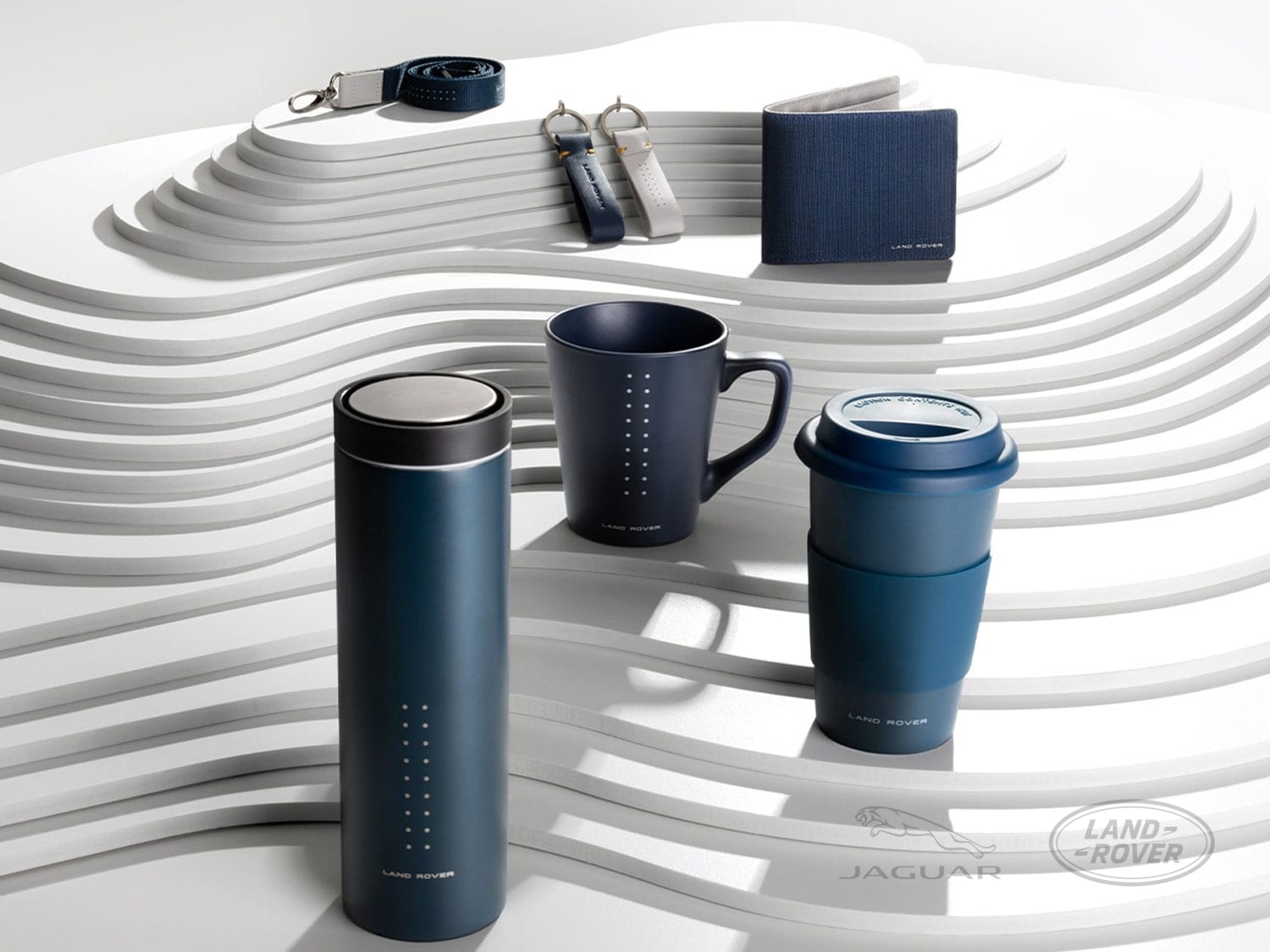
A product data platform shaped around catalogue accuracy and downstream commerce.
Brand-led retail commerce shaped around campaign trading, product presentation and customer experience.
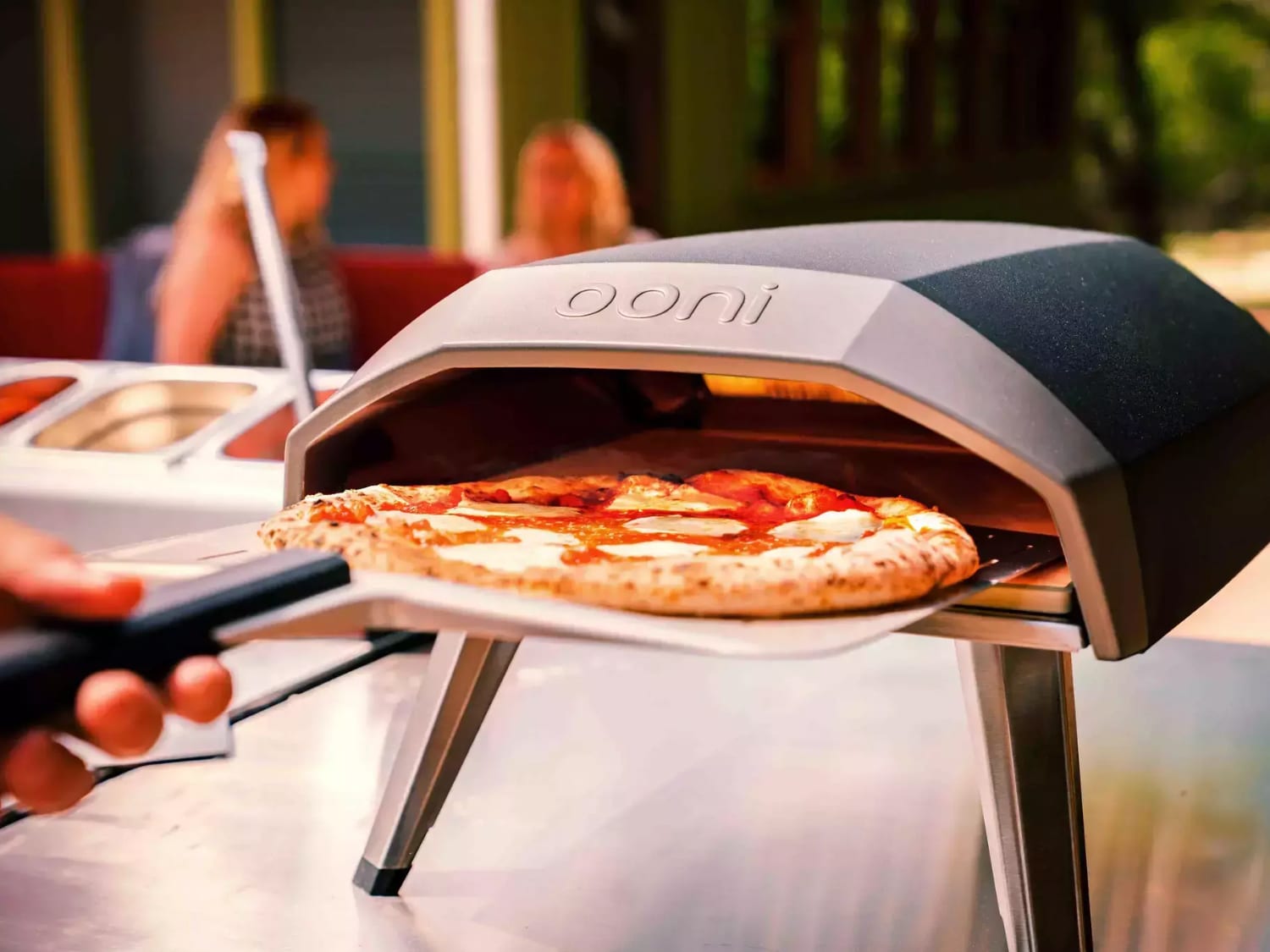
A pizza oven PIM project built around product accuracy, digital assets and international retail activity.
Product data quality updated across a fast-growing outdoor cooking catalogue.
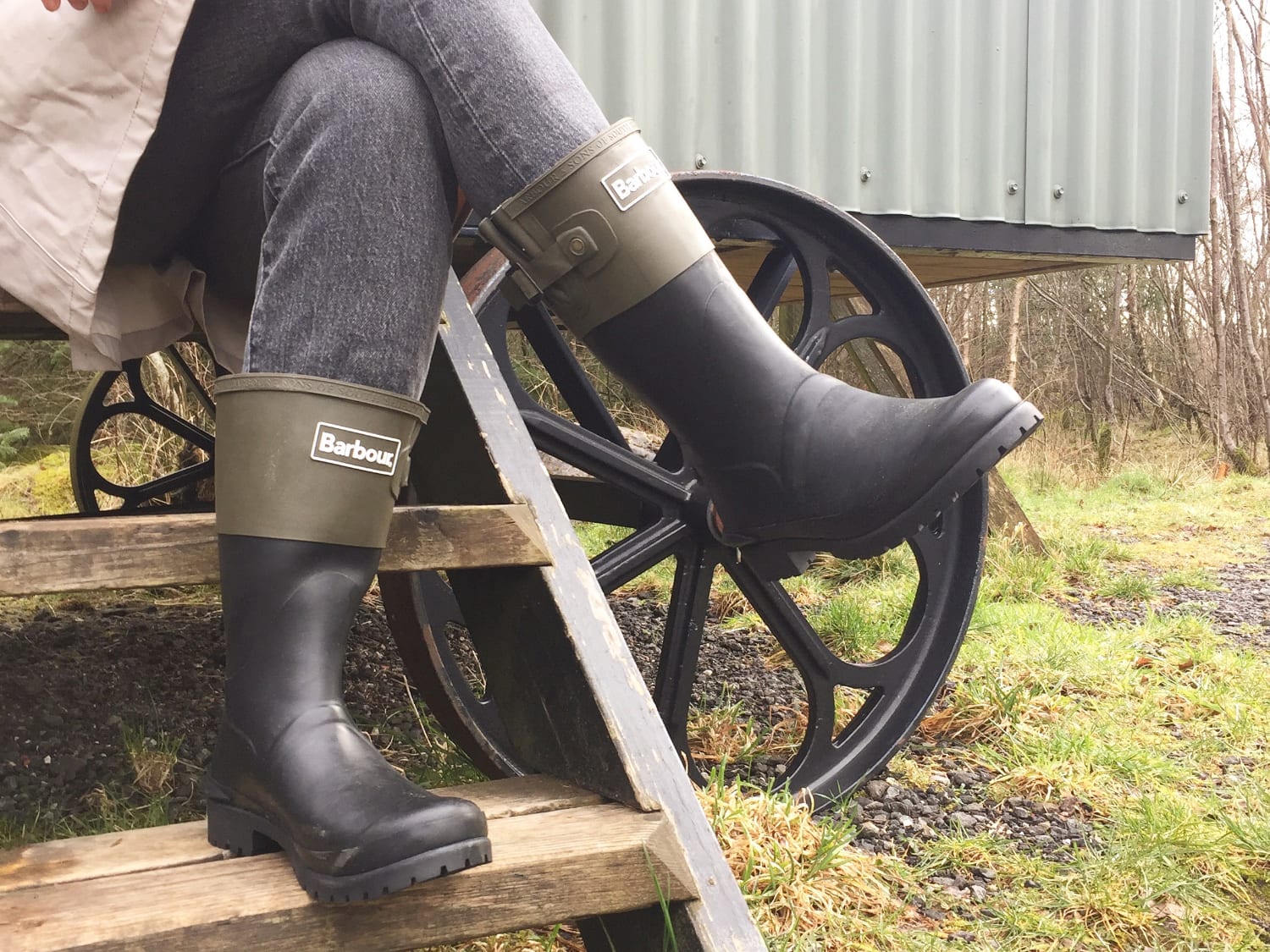
A wellington boot commerce platform built around product choice, search and repeat purchasing.
Specialist footwear sales supported by stronger checkout journeys, search activity and catalogue scale.