
What a Square POS integration gives you.
Stock counts, reservations and adjustments flow between the till and ecommerce without double-selling across channels. Shoppers see true availability whether they shop online or in-store.
Promotions, local overrides and bulk discounts ring correctly at the till and display online. Branch pricing rules no longer conflict with ecommerce pricing feeds.
Online orders mark as ready to collect at the branch, staff pick them, and the shopper collects without confusion. Returns and uncollected orders automatically update stock and customer records.
A loyalty member accumulates points in-store or online and redeems them either way. Trade account credit limits and status are visible to both till and ecommerce so staff can process accurately.
Till transactions flow into ERP, matching bank deposits and revenue lines. Multi-location reconciliation no longer relies on manual spot-checks and end-of-period corrections.
Where a Square POS integration earns its place.
If two or more of these are true, the integration usually pays for itself quickly.
Where off-the-shelf connectors fall short.
Vendor connectors are fine for simple cases. Here's where the real ones need more.
Square POS does not natively sync click-and-collect orders, online pricing updates or real-time stock visibility from a separate ecommerce platform. Manual processes or third-party connectors are often needed.
Square can track till transactions but lacks deep integration with central ERP systems for GL posting, cost accounting, stock revaluation and multi-location allocation without custom work.
Customer records and loyalty balances live in Square's CRM or loyalty module. Syncing them reliably with ecommerce customer bases and CRM platforms requires manual exports or API work.
When internet connectivity drops, Square can take payments offline but reconciling transactions, stock movements and customer changes after reconnection is not automatic and can leave gaps.
Stock held in Square reflects till activity but linking it to ecommerce inventory and preventing oversell across in-store and online requires a connecting layer to watch both systems continuously.
Branch and online operations collide when stock, pricing and customer data are not kept in step; offline till operation and fast inventory changes can leave data in multiple places with no clear owner.
Where this integration sits in your estate.
Square POS holds the commercial record. The iWeb integration layer manages the rules, mappings, monitoring and exceptions. The commerce platform presents the customer-facing experience. The estate map helps agree ownership before anything is built.
No platform lock-in. We integrate Square POS with the commerce core you already have, or the one you are moving to.
- Till transactions and receipts
- Branch-local stock movements and adjustments
- In-store customer interactions and updates
- Loyalty earn and redemption at till
- Offline payment capture during connectivity loss
- Product catalogue and descriptions
- Online pricing and promotions display
- Ecommerce customer account records
- Shopping cart and checkout
- Click-and-collect order placement
Systems this integration usually sits next to.
Examples, not a closed list. iWeb is platform-agnostic on both sides: we wire this integration into whatever ecommerce platform and surrounding systems your estate already runs.
- Magento Open Source
- Adobe Commerce
- Shopify Plus
- BigCommerce
- Other storefronts
- ERP (SAP, Oracle, NetSuite)
- Central stock and inventory system
- OMS (order management and orchestration)
- Customer CRM and loyalty platform
- Accounting and finance ledger
- Reporting and BI warehouse
- Payment processor and bank reconciliation
Not sure if this works with your stack?
Tell us what you’re using and what needs to connect. We’ll give you a straight view on what’s possible, what might be awkward, and the safest way to approach it.
The data flows we wire.
Each flow has a direction and an owner. We agree both before a line of code is written.
How iWeb configures the integration around your business.
Same method on every integration. The decisions come before the code.
- 01Design the integration ownership map
iWeb names which system owns stock, pricing, customer records and loyalty state. This removes ambiguity so branch staff, ecommerce teams and finance all know where the truth lives and who updates it.
- 02Build the data-movement layer
iWeb constructs the connectors, transforms and APIs so till transactions, pricing, stock and customer data flow into and out of Square with the right timing and accuracy. Offline till operation is handled with clear reconciliation rules.
- 03Set up monitoring and exception handling
iWeb configures alerting so failed syncs, stale stock, pricing mismatches and unreconciled refunds are surfaced immediately. Exception queues are owned and cleared so problems do not hide in logs.
- 04Support click-and-collect workflows
iWeb designs the order flow from ecommerce into the till, how stock is reserved and released, and what happens if a customer doesn't collect. Staff training and runbooks cover the exceptions.
- 05Own the go-live and rollback
iWeb tests parity between till, ecommerce, ERP and stock systems before launch. A clear rollback path exists so a failed sync can be reverted without leaving customers or finance confused.
Who owns what.
The single most important table in any integration. One system owns each field; everything else reads it.
Built this integration pattern before
iWeb has integrated Square POS with ecommerce storefronts, central ERP systems and stock platforms on many occasions. We understand how till operation, offline resilience and multi-channel inventory challenges show up, and how to design integration ownership and exception handling so branch staff and finance teams trust the data.
What we test before launch.
Every one of these is rehearsed before a customer ever sees the integration.
Common risks and where they bite.
We name these on day one. A risk written down is a risk you can plan around.
When a branch goes offline and the till takes payments without internet, those transactions may not sync back cleanly. Stock, revenue, customer balance updates and refunds can end up in the wrong system or delayed.
If till stock counts and ecommerce inventory do not sync frequently or continuously, an item can be sold twice - once at the till and once online for the same unit. Refunds and delivery failures follow.
A customer account created or updated in the till may not reconcile with the same customer in ecommerce or CRM. Loyalty balances can diverge, and credit limits become unreliable.
Branch staff override prices at the till for trade account discounts or local promotions. If those overrides do not sync back to ecommerce or ERP, online customers see wrong prices and finance reconciliation fails.
An order marked for in-store pickup may not route cleanly to the till, or if it does, a customer who doesn't collect might not trigger an automatic stock release and refund. Manual intervention becomes the norm.
Multi-location till transactions, refunds, offline reversals and ERP accruals can diverge after a busy day. Month-end reconciliation becomes a painful manual review with no clear owner accountable for gaps.
Relevant services and sectors.
Common questions about Square POS integrations.
How do we prevent stock from being sold twice, once in-store and once online?
iWeb designs a reservation and sync pattern where stock is held in a central system (usually ERP or a dedicated stock engine). The till and ecommerce both read the same inventory in near real time. When either channel sells a unit, the others see the change immediately. Regular heartbeat syncs and exception alerts catch any drift.
What happens to till transactions if the branch goes offline?
Square POS can continue taking payments offline. Once the till reconnects, transactions sync back to Square's cloud and then to ERP and ecommerce. iWeb sets up reconciliation rules so stock, revenue, customer balance and refund records flow to the right systems in the right order without duplication.
How do click-and-collect orders flow from ecommerce to the branch till?
eCommerce marks an order as 'collect in store' and sends it to the till system, usually via Square's APIs or a middleware layer. The till receives a pickup notification, staff pick the order and place it in a collection area. When the customer arrives, staff scan or look up the order and ring it up, triggering a final ecommerce status update.
How do we keep customer accounts and loyalty points in sync across channels?
Customer records and loyalty balances live in Square, ecommerce or a shared CRM. iWeb sets up real-time or daily syncs so earn and redemption events from the till are reflected online and vice versa. If a customer creates an account online and visits the branch, the till recognizes them immediately.
Can the branch apply local pricing overrides at the till without breaking ecommerce?
Yes. iWeb maps branch override rules (e.g. trade-account discounts) to the ERP or Square. The till applies the override locally; the ecommerce storefront does not show a discounted price (unless the customer is logged into their account and entitled to it). Finance sees the correct revenue line and cost basis.
How does finance reconcile till transactions with online orders and ERP?
iWeb designs the journal flow so till transactions, refunds and online orders all post to ERP with the same account coding. A daily or shift-end reconciliation report shows what landed in Square, what posted to ERP and what is in flight. Named owners investigate any variance before month-end close.
What if a customer orders online for collection but never shows up?
iWeb sets an expiry rule: after a defined hold period (e.g. 5 days), the order automatically releases the reserved stock, cancels the ecommerce order, and initiates a refund. The till sees the collection order expire and removes it from the pickup list.
Can a customer return an online purchase at the branch till without a receipt?
If the customer account is linked across ecommerce and till, the till can look up the online order and process the return. The till records the refund, stock is credited back, and the customer's ecommerce account is updated. Finance sees the return in ERP.
How do we monitor if stock or pricing gets out of sync?
iWeb sets up scheduled reconciliation checks: e.g. every hour, compare till stock with ecommerce stock and flag any difference above a threshold. Daily price audits check if till and ecommerce are ringing the same cost. Alerts go to stock owners and merchandisers so they can investigate.
What happens if Square's API goes down during a busy trading day?
The till can continue taking payments offline. When connectivity returns, Square resyncs. iWeb sets up a clear protocol: once synced back to Square, transactions route to ERP and stock in the correct order. If any transaction failed to reconcile, an alert fires so operations can investigate before it impacts finance or stock.
Do we need a separate inventory system, or can Square be our stock engine?
Square can track till transactions and adjust inventory, but for a multi-location, multi-channel estate, a central ERP or stock system usually acts as system of record. Square feeds it. iWeb sets up the sync so ecommerce, till and ERP all read the same stock number, and updates cascade back reliably.
How do we handle branch-specific promotions that should not appear online?
iWeb maps promotion governance: branch promotions are defined in Square or ERP with a 'till only' flag. Ecommerce does not ingest them. Store staff communicate the in-store-only offer to shoppers. Finance sees all revenue and cost properly attributed.
What integration testing do we need before launch?
Test stock parity between till and ecommerce after a simulated sale. Test a click-and-collect order from ecommerce appearing at the till. Test an offline till transaction syncing back and appearing in ERP. Test a refund at the till appearing in ecommerce and finance. Test a new customer created at the till appearing online. Test pricing overrides ringing correctly and not showing online.
Who is accountable if a stock number or price diverges?
iWeb defines the ownership map before build starts. Usually: ERP owns stock and list price; till and ecommerce read it. If they diverge, the integration layer alerts the stock owner and merchandiser. A clear escalation path and SLA exist so problems do not hide between teams.
Projects with a similar shape.
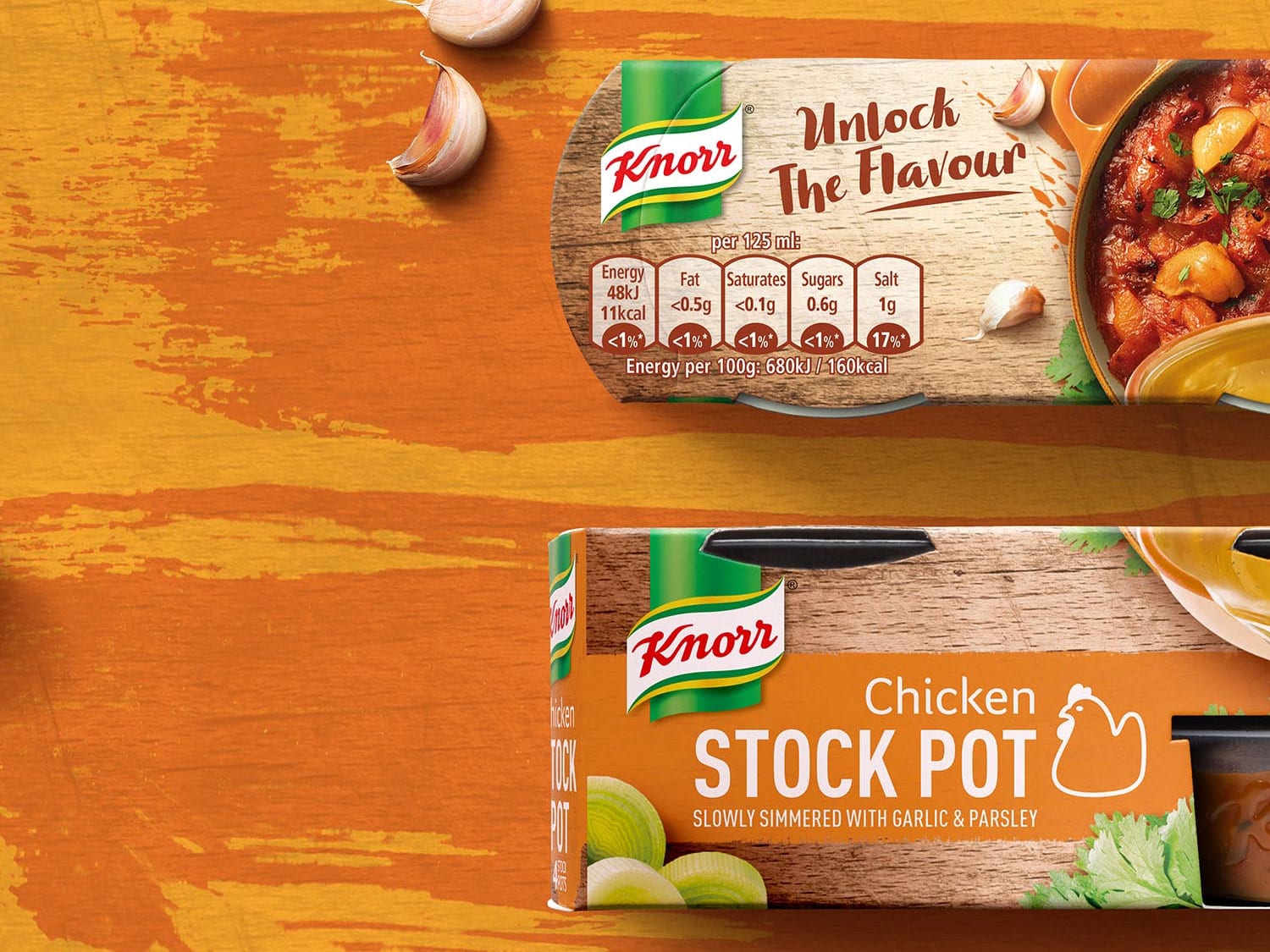
A product data platform shaped around catalogue accuracy and downstream commerce.
Multi-depot foodservice wholesale supported by Akeneo PIM, Adobe Commerce and Aptean ERP integration.

A multi-territory bulb and plant platform built around search, localisation and seasonal trading.
International plant retail supported by stronger search-led trading and mobile customer sessions.

A wholesale and retail PIM project built around supplier data and catalogue scale.
Wholesale product teams supported by supplier data, catalogue governance and cleaner enrichment workflows.