
What a Klaviyo integration gives you.
Segments built in Klaviyo match actual customer behaviour and purchase history because events arrive complete, on time and deduplicated. Marketing teams can trust audience counts and run campaigns without fear of lost contacts.
Consent and unsubscribe status sync bidirectionally between commerce and Klaviyo. You maintain a timestamped record of when customers opted in or out, where they opted, and which campaigns respected their preferences.
Order confirmations, dispatch notifications and abandoned-cart flows trigger on events that are guaranteed to arrive at Klaviyo, with fallback logic if delays occur, so customers always receive time-sensitive messages.
Segment membership flows back to commerce, enabling product recommendations, messaging and offers that adapt to whether a customer is new, loyal, at-risk or dormant without manual merchandiser updates.
Because behavioural events, order data and campaign sends are all connected, you can measure email and SMS ROI, identify which segments convert best, and optimise spend allocation across campaigns.
Where a Klaviyo integration earns its place.
If two or more of these are true, the integration usually pays for itself quickly.
Where off-the-shelf connectors fall short.
Vendor connectors are fine for simple cases. Here's where the real ones need more.
Klaviyo expects structured event payloads with consistent property names. Commerce platforms and order systems emit events with different field names and nesting; without a translation layer, events arrive malformed or incomplete, breaking segmentation rules.
If a customer shops as a guest, then registers, or uses different email on different channels, Klaviyo may create duplicate profiles unless you implement explicit identity-merging logic or match on external identifiers.
GDPR, CCPA and other regional laws require different handling of consent, unsubscribe and data retention. Klaviyo's default rules do not account for shipping destination, billing address or customer account jurisdiction without custom workflows.
Klaviyo is not an accounting system. Sending order totals, tax, shipping or payment status to Klaviyo for segmentation is common, but reconciliation, refunds and credit notes must flow back through your ERP or OMS to remain system of record.
Bulk list imports from commerce or ERP happen on a schedule; if a customer updates their consent status in commerce while Klaviyo is mid-import, the two systems can drift until the next reconciliation run.
Compliance and marketing often disagree on where consent lives - commerce teams want it in their CRM, compliance wants an audit trail, and marketing needs real-time suppression enforcement across channels.
Where this integration sits in your estate.
Klaviyo holds the commercial record. The iWeb integration layer manages the rules, mappings, monitoring and exceptions. The commerce platform presents the customer-facing experience. The estate map helps agree ownership before anything is built.
Built for your platform, not a specific one. Klaviyo integrates with any ecommerce core through the same contract.
- Customer contact records and profile attributes
- Behavioural event history and segmentation
- Campaign sends, engagement and suppression
- Customer lifecycle and audience membership
- Order and transaction capture
- Commerce-native customer accounts and addresses
- On-site personalisation and messaging
- Checkout and post-purchase experience
Systems this integration usually sits next to.
Examples, not a closed list. iWeb is platform-agnostic on both sides: we wire this integration into whatever ecommerce platform and surrounding systems your estate already runs.
- Adobe Commerce
- Magento Open Source
- Shopify Plus
- BigCommerce
- Other storefronts
- Order management system
- Enterprise resource planning
- Product information management
- Email service provider
- Search and merchandising engine
- Analytics and BI platform
- Subscription billing system
- Customer data platform
Not sure if this works with your stack?
Tell us what you’re using and what needs to connect. We’ll give you a straight view on what’s possible, what might be awkward, and the safest way to approach it.
The data flows we wire.
Each flow has a direction and an owner. We agree both before a line of code is written.
How iWeb configures the integration around your business.
Same method on every integration. The decisions come before the code.
- 01Event capture and schema mapping
We build middleware or implement Klaviyo APIs to translate events from your commerce platform, OMS or ERP into Klaviyo's expected property structure, with validation and retry logic so no events are lost in translation.
- 02Identity and deduplication design
We implement customer matching rules based on email, phone, external ID or account number, and build merge workflows for profiles that appear in Klaviyo multiple times, ensuring one true identity per customer.
- 03Consent and suppression orchestration
We design bidirectional sync of consent status, unsubscribe events and regional compliance rules between commerce, Klaviyo and any email service provider, with timestamped audit logs for regulatory proof.
- 04Data enrichment from ERP and OMS
We connect Klaviyo to your order system or ERP to pull customer purchase history, order totals, shipping status and RFM metrics into customer profiles, powering sophisticated segmentation without treating Klaviyo as a transactional system.
- 05Monitoring, alerting and reconciliation
We set up dashboards showing event throughput, list sync latency, segment member counts and suppression drift, with alerts that fire when sync lags or events are dropped so your team can diagnose and recover.
Who owns what.
The single most important table in any integration. One system owns each field; everything else reads it.
Built Klaviyo integrations before
iWeb has designed and operated Klaviyo integrations across retail, DTC and subscription commerce brands. We understand how to architect event capture, identity resolution and consent workflows so Klaviyo becomes a reliable execution platform without creating operational friction.
What we test before launch.
Every one of these is rehearsed before a customer ever sees the integration.
Common risks and where they bite.
We name these on day one. A risk written down is a risk you can plan around.
If commerce emits purchase events before customer profile data syncs, Klaviyo may not recognise the customer or may create an orphaned event. If events take different paths through your systems, they can arrive out of sequence, breaking time-based segmentation.
When identity matching is weak or deduplication runs infrequently, one shopper appears as multiple profiles in Klaviyo. Campaigns are sent to the same person twice, bounce rates rise, and list sizes become unreliable for forecasting.
A customer unsubscribes from email in Klaviyo but that status does not sync back to commerce, or a customer changes consent in commerce and the update is missed when Klaviyo's import runs. Marketing sends hit suppressed contacts.
Order confirmations or dispatch notifications are triggered in commerce but the event never reaches Klaviyo, or Klaviyo receives the event but the campaign is not active. Customers wait hours for confirmation emails that never arrive.
If segments are refreshed once a day but your commerce platform emits events every minute, Klaviyo's segment definitions fall out of sync with live customer behaviour. A customer abandons cart at 11pm but the at-risk segment does not refresh until 6am next day.
If order totals, refund amounts or payment status are pushed to Klaviyo and then referenced for segmentation, but your ERP is the true system of record, reconciliation breaks when refunds or cancellations occur and Klaviyo data is not updated.
Relevant services and sectors.
Common questions about Klaviyo integrations.
How do we make sure purchase events from our order system reach Klaviyo without duplication?
We design idempotent event producers that emit each order with a unique transaction ID and a timestamp, so Klaviyo can deduplicate if an event is retried. We also validate event payloads at the source before they are queued, catching schema errors early.
What happens if a customer unsubscribes in Klaviyo but our commerce platform does not know?
We implement a scheduled sync that pulls unsubscribe events from Klaviyo and writes them to commerce as suppression flags. We also log the sync status so you know if it runs late, and we alert if suppression drift exceeds a threshold.
How do we handle customers who shop as a guest and then register later?
We implement identity merging logic that matches the guest's email to the new account, and we run a reconciliation workflow that consolidates their profile in Klaviyo. We preserve event history so segmentation rules see the full customer journey.
Can we segment customers based on their order history if it lives in our ERP?
Yes. We pull customer order data (purchase date, total, category, item count) from your ERP or OMS and push it to Klaviyo as customer attributes or as historical event data. Marketing teams can then build RFM and product-affinity segments without treating Klaviyo as a financial system.
What if Klaviyo is down when a customer places an order - do we lose the event?
We architect around this by queuing purchase events in a durable store (database, message broker) on your side, so they are not lost if Klaviyo is temporarily unavailable. Once Klaviyo recovers, we replay the queued events in order.
How do we make sure our marketing team is not sending campaigns to customers who opted out on our website?
We sync consent status from your commerce platform to Klaviyo before any campaign send, and we implement a pre-send check that verifies suppression status in real time. We also keep an audit log so you can show compliance teams when and where each customer consented.
Can our transactional emails (order confirmation, dispatch) be sent by Klaviyo instead of our email service?
Yes, if Klaviyo is your preferred email provider. We connect your order system or commerce platform to trigger Klaviyo campaigns for transactional emails, and we implement retry logic so emails are resent if they fail on first attempt.
How often should we sync our customer list between commerce and Klaviyo?
That depends on how fresh you need segments to be. If you need on-site personalisation to react within minutes, we recommend real-time event streaming and hourly segment refresh. For batch sends and weekly campaigns, nightly syncs are typical. We design both and you choose based on your use cases.
What happens if we change which fields we want to track in Klaviyo?
We update the event schema and deploy the change to your event producer. We also run a backfill if you want historical data adjusted. We version the schema so you know which events have new fields and which are still using old definitions.
How do we know if our segments in Klaviyo are accurate?
We set up reconciliation reports that compare segment member counts in Klaviyo against the underlying event and customer data in your source systems. We also provide sample queries so you can spot-check a few customer profiles and verify they meet the segment criteria.
What if our GDPR or CCPA requirements change - how do we update Klaviyo?
We build consent and data-retention rules into your sync logic, so when you change your privacy policy or jurisdiction requirements, we update the rules and re-evaluate all customer records. We also delete or anonymise data in Klaviyo as required by law.
Can we use Klaviyo segments to personalise on-site product recommendations?
Yes. We sync Klaviyo segment membership back to your commerce platform via API, and we set up recommendation rules that trigger based on segment. For example, at-risk customers see retention offers, new customers see onboarding content.
How do we measure the ROI of campaigns sent through Klaviyo?
We connect Klaviyo's campaign send and engagement data to your order system or BI platform, matching purchases back to the campaign that reached that customer. This allows you to measure revenue lift, calculate email ROI and optimise spend across campaigns.
What if we want to A/B test a campaign - does Klaviyo handle segment splitting?
Klaviyo supports A/B testing natively. We help you design test hypotheses, set up control and treatment cohorts, and measure lift. We also help you integrate test results back into your commerce platform for winner-take-all or continuous optimisation.
Projects with a similar shape.

A product data platform shaped around catalogue accuracy and downstream commerce.
Heritage parts commerce built around specialist catalogues, vehicle fitment and enthusiast demand.

A hardware manufacturer PWA built around trade customers, product data and team efficiency.
B2B hardware sales supported by stronger mobile engagement, ordering and internal productivity.
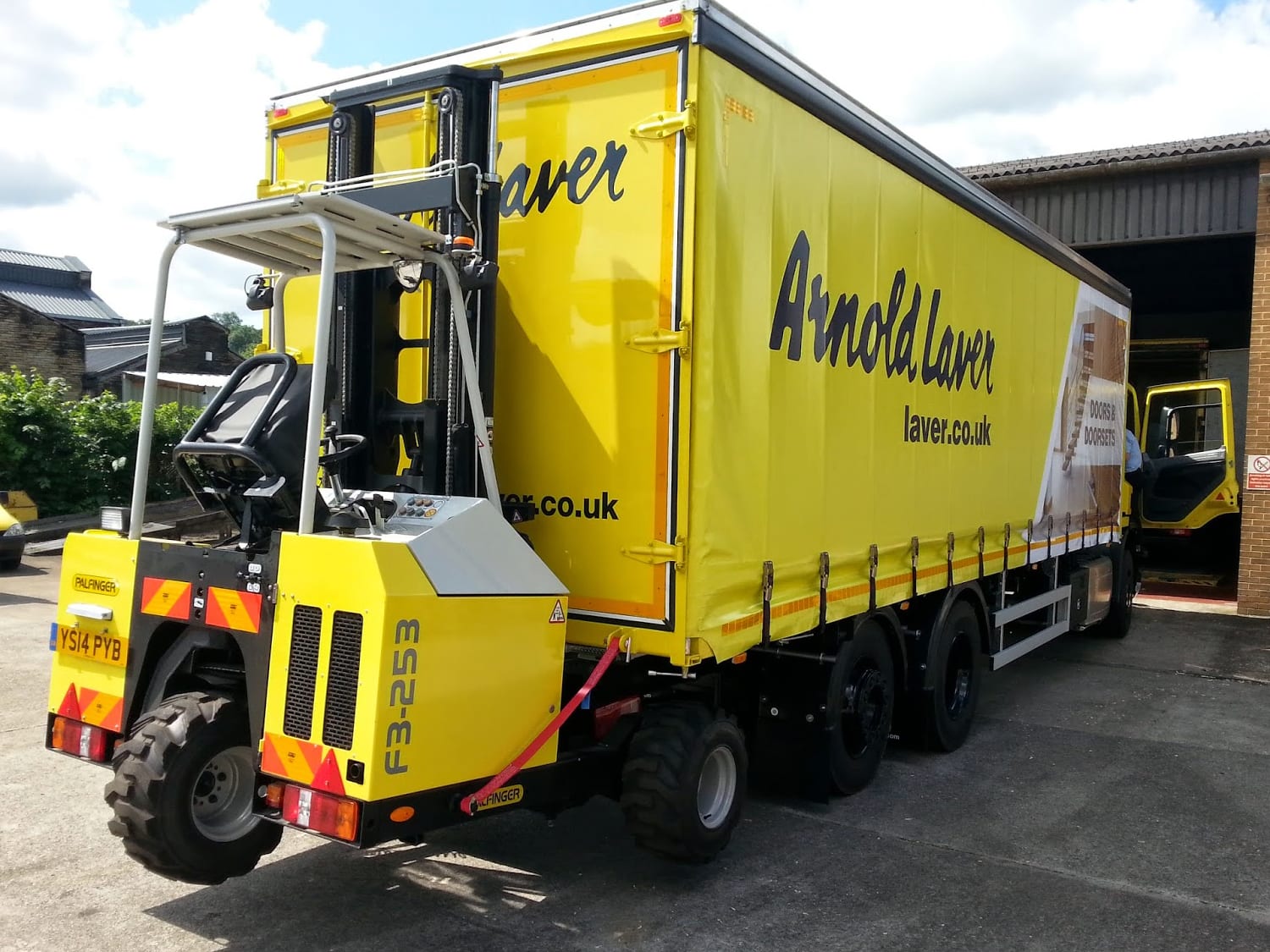
A timber merchant PWA rebuilt around branch trading, stock visibility and trade ordering.
Timber merchant operations supported by stronger catalogue scale, adoption and page speed activity.