Talk to an expert
RescueB2B and trade

B2B ecommerce rescue.

B2B and trade ecommerce rescue covering account pricing, approvals, branches, users, ERP integration, checkout and operational rules. We protect trading first, name the rules in writing, and only then look at what to change.
600+
Commerce projects
40+
Engineers · on staff
31
Years · systems behind commerce
1995
Founded
01 · What we look at first
What we look at first

Account model read
Trade accounts, sub-accounts, buyers, approvers, branches and roles reviewed against how the merchant really runs trade.
Approvals and order rules
Order approval thresholds, multi-step sign-off and budget logic modelled inside the platform rather than patched at the storefront.
Branches and depot stock
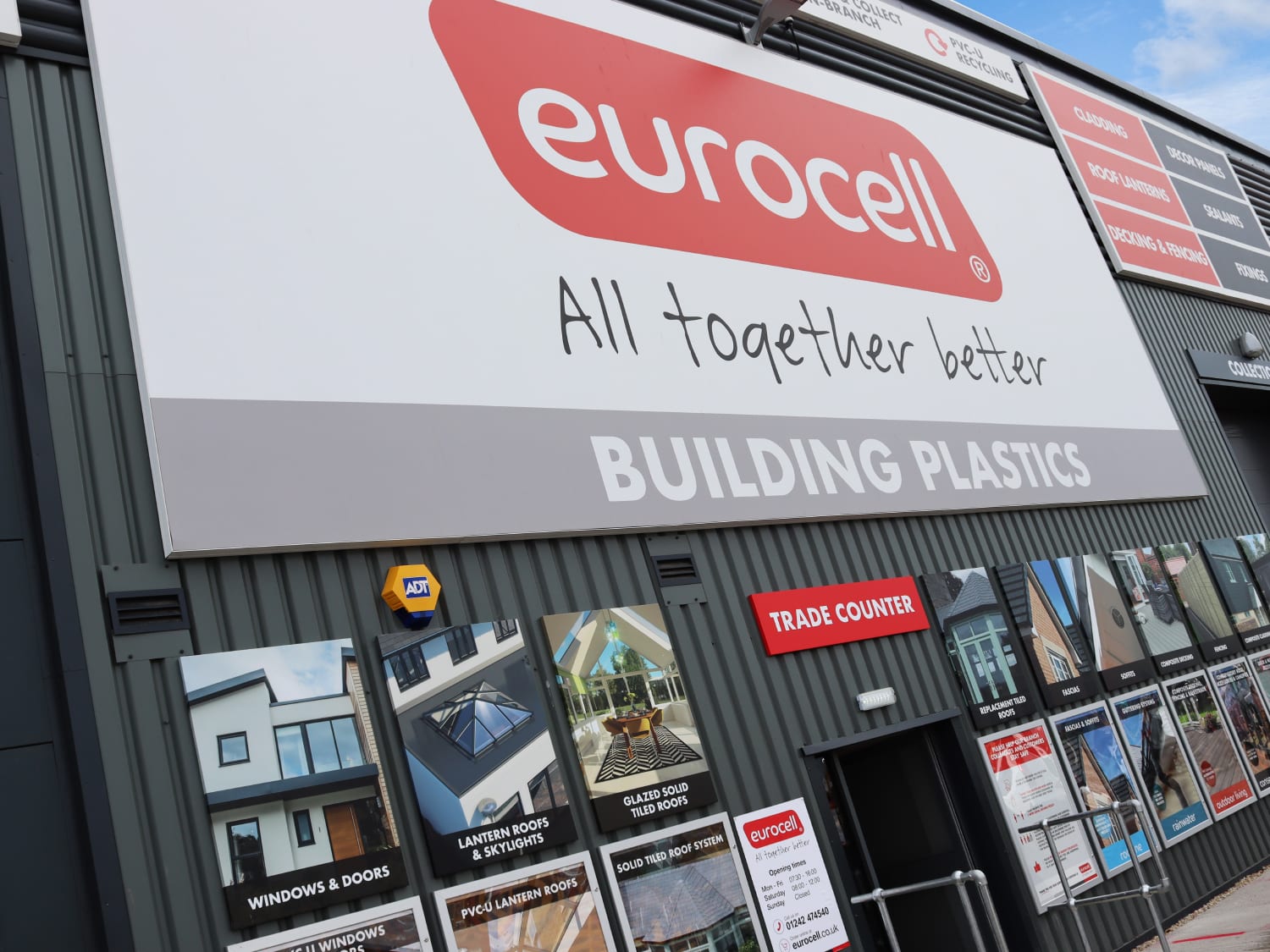
Multi-branch ordering, depot stock, click-and-collect and trade counter behaviour treated as core operation.
Quote-to-cart and bespoke pricing
Quote, negotiated price and bespoke configurations governed across sales rep, customer and storefront.
Reps and showroom touchpoints
Sales rep, showroom and trade counter touchpoints wired into the same platform rather than a parallel operation.
Reporting and reconciliation
Storefront, ERP and finance reports that agree by source. Trade numbers tie out by design.
Honest "rebuild" call where needed
Where the existing build genuinely cannot carry trade behaviour, we say so and outline the staged rebuild.
03 · Platform fit and estate context

How this platform fits the wider commerce estate.

Fit against operational shape
Catalogue depth, trade complexity, branch logic and ERP integration named honestly before the platform decision is fixed, not assumed from a vendor demo.
Integration boundary with ERP
ERP owns commercial data, pricing and stock. The commerce platform reads the boundary through governed APIs; the boundary itself is the most important design decision in the estate.
PIM as the catalogue system of record
Deep catalogue governance lives in PIM (Akeneo, Salsify or similar). The commerce platform reads from PIM rather than re-modelling product data in the storefront.
OMS and fulfilment surface
Order management, partial dispatch, returns and customer-visible order state live in operational systems. The platform reads what operations actually did.
Search and merchandising
Native search plus specialist engines (Algolia, Constructor.io) assessed against the actual query mix, not a vendor benchmark. Relevance is a continuous activity.
B2B and trade behaviour
Account-only catalogues, customer-specific pricing, depot stock, quote-to-cart and partial dispatch modelled inside the platform rather than patched at the storefront.
Multi-store and multi-territory
Brand, market and territory storefronts modelled with shared catalogue, pricing and operations rather than parallel sites that drift apart.
Total cost over five years
Licence, hosting, engineering and support modelled honestly across the lifecycle, not just year one. The cheap year-one platform is often the expensive five-year one.
Headless and composable trade-offs
Headless or composable storefronts where they earn their place, not as a default. The trade-off between optionality and integration surface is named upfront.
Operational ownership and runbook
Long-term support, releases and integration ownership inside a UK agency that runs platforms day to day, with a written runbook the on-call team can act on.
Replatform sequencing
Where a platform move is on the table, sequencing by domain, traffic share or territory keeps trading live throughout. Big-bang relaunches are rarely the right shape.
Honest "do not move" advice
Where the existing platform is the right answer, iWeb says so on the record. A senior, written read on the brief is the deliverable, not a sales pitch.
04 · Questions we get asked

Questions we get asked.

Do you work with builders merchants and trade distributors?

Yes. Trade catalogues, branches, depot stock, account pricing and ERP integration are a primary part of the iWeb estate across builders merchants, foodservice and automotive parts.

Will you rebuild B2B onto a new platform?

Only when the current platform genuinely cannot carry the next twelve months of trade behaviour. Stabilisation comes first; replatform is the second conversation.

How does an iWeb rescue actually start?

With a short, written read on the brief. We look at what is broken, what is still working, where trading risk sits and what we would protect first. No drama, no pitch.

Do you blame the previous team?

No. Blame slows recovery down. We describe what we see, sequence what matters, and write down trade-offs so the owner can make informed calls.

Will you push us to replatform?

Only when the current platform genuinely cannot carry the next twelve months. Most rescue work is stabilisation first; rebuild is the second conversation, not the first.

How does iWeb choose between platforms?

Against operational shape: catalogue depth, trade complexity, ERP integration, multi-territory rules and five-year cost. The decision is written down with trade-offs, not assumed from a vendor demo.

Where does ERP integration sit in the platform decision?

It is a primary input. Some platforms make ERP integration straightforward, some make it expensive. iWeb names the trade-off rather than hiding it.

Does iWeb deliver headless or composable storefronts?

Where they earn their place. The trade-off between optionality and integration surface is named upfront; composable is not a default.

How is search handled on this platform?

Native search where the query mix supports it; specialist engines (Algolia, Constructor.io) where the catalogue, volume or merchandising appetite justify them. Relevance is a continuous activity.

Where does PIM sit relative to the commerce platform?

PIM owns catalogue truth (attributes, variants, assets, channel readiness). The commerce platform reads from PIM rather than re-modelling deep product data in the storefront.

Can iWeb take over an existing build on this platform?

Yes, where the brief fits. iWeb will give a senior, written read on what is working, what needs remediation and what is honestly fixable, and the first month on support stays deliberately conservative on change.

How does iWeb size a five-year total cost picture?

Licence, hosting, engineering and support across the lifecycle, including the integration surface and operational ownership. The headline year-one number is rarely the honest comparison.

Accreditations & assurance
Gold Commerce Partner
Specialised in Commerce & AI
ISO certified
27001 · 9001 · 42001
Cyber Essentials Plus
Independently verified security
WCAG 2.2 AA
Accessibility embedded by design
Employee-owned
The same team, long term
Next step

Talk about a rescue, in confidence

Send the brief. You'll get a written response from a senior expert on the platform, ERP and operational realities we'd look at first, not a pitch deck.
Talk to an expertor see the rescue suite →